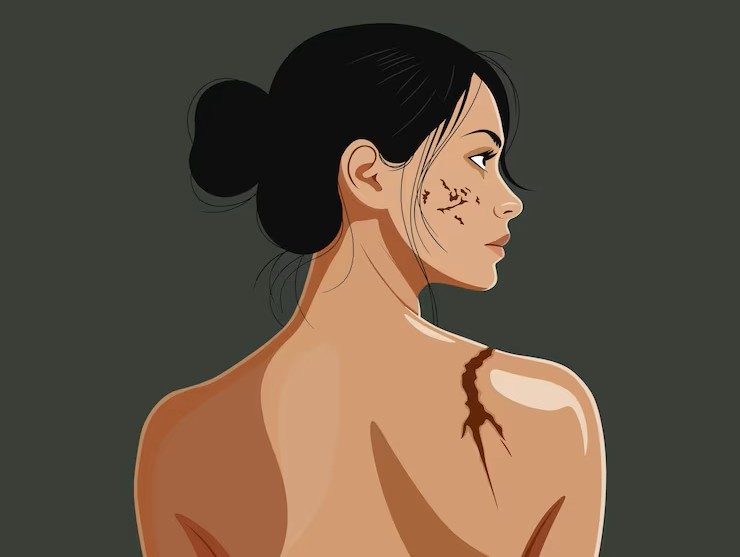
In today’s world, tattooing has evolved far beyond traditional body art. It has become a purposeful tool not just for self-expression, but also for beauty enhancement and emotional healing. Whether you’re seeking to boost your natural features or restore your skin after trauma, understanding the difference between cosmetic tattooing and medical tattooing is key to choosing the right treatment for your needs.
At its core, both types of tattooing involve depositing pigment into the skin with precision. But their goals and techniques serve very different purposes. In this guide we’ll explore what makes medical and cosmetic tattooing unique, and how each can transform your confidence and appearance.
Before we compare them, let’s begin by understanding what tattooing means in this modern context
What Is Tattooing?
Tattooing, in its broadest sense, means implanting ink or pigments beneath the skin to create a lasting mark or enhancement. This can range from decorative body tattoos to more subtle, purposeful treatments like cosmetic or medical tattooing.Tattooing can serve both cosmetic and medical purposes. Let’s explore each to understand their unique roles in beauty and healing.
Cosmetic Tattooing: Enhancing Natural Beauty
In today’s fast paced world, beauty routines need to be both effective and effortless. Cosmetic tattooing, also known as permanent makeup or micropigmentation, has emerged as a popular solution for those seeking to enhance their natural features with precision and lasting results. Whether you’re tired of the daily makeup grind or looking to restore features affected by aging,alopecia, or medical treatments, cosmetic tattooing offers a transformative and convenient alternative.
From expertly crafted microblading for fuller brows to subtle lip tinting and smudge-free eyeliner, cosmetic tattooing is gaining popularity fast. Each technique is designed to look natural enhancing your features, not overpowering them
Popular techniques include:
Microblading / Powder Brows
Microblading uses fine, hair-like strokes to fill in sparse or uneven eyebrows.
Powder or ombre brows offer a shaded effect for a fuller look. Ideal for people with thinning brows due to age, overplucking, or conditions like alopecia.
Lip Blushing
Lip tattooing adds soft pigment to enhance natural lip color and shape. It can also correct asymmetry or pale pigmentation, leaving lips looking fuller and more vibrant with no lipstick required.
Lash Line & Eyeliner Tattoo
This procedure creates the illusion of fuller lashes or permanent eyeliner, perfect for those with makeup allergies, shaky hands, or vision impairments.
Medical Tattooing: Restoring Confidence After Surgery, Trauma, or Skin Conditions
Medical tattooing stands out as one of the most compassionate and impactful services in today’s beauty industry. It goes beyond surface appearance; it’s about restoring confidence, correcting imperfections, and helping people feel whole again after medical treatments or skin trauma. Unlike traditional body tattoos, medical tattooing is carefully designed to blend seamlessly with your natural skin tone and texture. Whether it’s concealing scars, evening out skin discoloration,recreating features such as areolas after surgery, or creating the look of fuller hair, this specialized technique offers healing in both form and spirit.
At The Browmaster, we view medical tattooing not just as a cosmetic procedure but as a deeply transformative experience that nurtures both self-image and soul. So, what exactly is medical tattooing? Also known as paramedical micropigmentation, it involves the precise implantation of pigments into the skin to correct, camouflage, or enhance areas affected by surgery, injury, or medical conditions.
Common medical tattoo technique include:
Areola and Nipple Restoration
For breast cancer survivors who have undergone mastectomy, areola tattooing restores the appearance of the nipple with hyper-realistic shading and color. This final step in reconstruction can be emotionally powerful and healing.
Scar Camouflage Tattooing
This involves blending pigments into scar tissue to make it less noticeable. It’s used for surgical scars, burn scars, or injury related scars, especially on visible parts of the body like the face, neck, or limbs.
Vitiligo Camouflage
For those with stable, non-spreading vitiligo, skin-toned pigments are used to even out discolored patches, helping individuals feel more confident in their skin.
Scalp Micropigmentation (SMP)
This technique stimulates hair follicles using tiny layered dots. It’s used to treat hair loss, alopecia, or receding hairlines giving the illusion of a fuller head of hair or a closely shaved scalp.
Stretch Mark Camouflage
Stretch marks, especially on the abdomen, thighs, or hips, are softened and color matched to surrounding skin, reducing their visual contrast.Now that we’ve explored both kinds, let’s look at practical advantages and considerations.
Pros and Cons of Cosmetic and Medical Tattooing
Both types of tattooing offer powerful benefits but also come with considerations
you should be aware of.
 Pros of Cosmetic Tattooing
- Saves Time
Wake up to flawless brows, tinted lips, and eyeliner no daily makeup needed.
- Waterproof & Smudge-Proof
Your look stays put during workouts, swimming, or humid weather.
- Customizable to Your Features
Each design is matched to your face shape, skin tone, and personal style.
- Confidence-Boosting
Ideal for those with alopecia, sparse features, or makeup allergies feel effortlessly polished.
- Long-Lasting Results
Effects typically last 1–3 years with proper care, making it a great long-term solution.
 Cons of Cosmetic Tattooing
- May Fade Unevenly
Oily or sensitive skin can cause pigments to fade faster or patchier than expected.
- Requires Touch-Ups
A color boost is usually needed every 12–24 months to maintain a fresh look. - Healing Time Required
Minor redness, flaking, or tenderness may occur for 5–10 days post-treatment.
- Not Suitable for All Skin Types Certain skin types or conditions may not retain pigment well consultation is essential.
Pros of Medical Tattooing
- Restores Appearance After Trauma
Helps reconstruct features or camouflage scars after surgery, burns, or skin conditions.
- Boosts Emotional Well-Being Empowers individuals to feel whole again by restoring natural-looking features.
- Non-Surgical & Safe
A minimally invasive solution no incisions or downtime required.
- Blends Seamlessly with Skin
Pigments are expertly matched to your natural skin tone for realistic, subtle results.
- Long-Lasting Confidence
Results typically last 2–5 years depending on skin and care, offering peace of mind.
Cons of Medical Tattooing
- Results May Vary Final outcome depends on scar texture, pigment retention, and individual healing response.
- Skin Must Be Fully Healed Tattoos can only be applied after full scar or skin healing (usually 6–12 months).
- Multiple Sessions May Be Needed Some treatments require layering or follow-ups to perfect the blend or tone.
- Mild Discomfort Possible
A numbing cream is used, but minor sensitivity may still be felt during the procedure.
Who Should Consider These Services?
Depending on your personal goals, either cosmetic or medical tattooing may be the better fit. Here’s a quick guide to help you decide.
Choose Cosmetic Tattooing If You:
- Want to wake up with makeup already done
- Have sparse eyebrows, pale lips, or thinning lashes
- Experience makeup allergies or struggle applying it
- Value a clean, polished look with less daily effort
Choose Medical Tattooing If You:
- Have visible scars you’d like to minimize
- Are a breast cancer survivor seeking areola reconstruction
- Have vitiligo (stable) or stretch marks affecting confidence
- Are experiencing hair loss and want a non-surgical solution
Final Thoughts
Tattooing in the modern world isn’t just cosmetic, it’s personal, empowering, and healing. Whether you’re enhancing what you have or restoring what you lost, both cosmetic and medical tattooing offer solutions that go far beyond skin deep.
The key is choosing the right artist. Always work with a certified, experienced tattoo artist who specializes in the service you need especially in medical applications. Hygiene, pigment quality, and personalized care are essential for both safety and results.