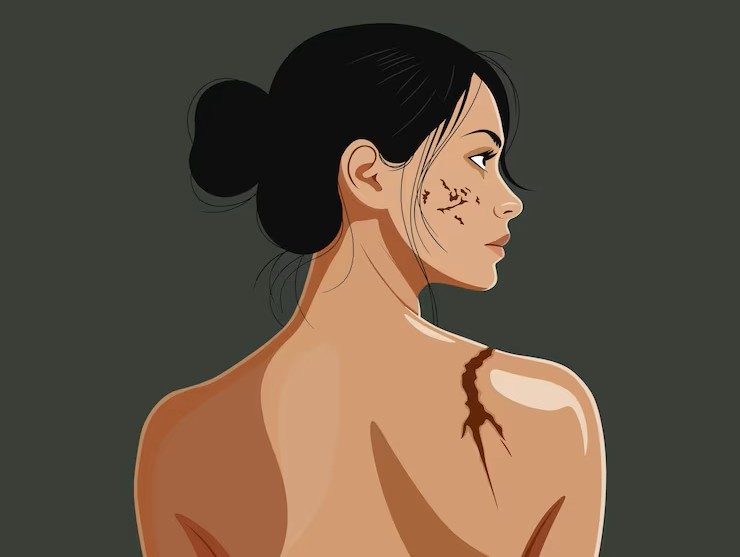
Scar Camouflage Guide: From Consultation to Results
Scars are deeply personal. They can mark transformation, survival, or painful memories. While some embrace their scars as symbols of strength, others may feel disconnected from the skin they now live in. If you’ve ever wished for a way to soften the visibility of a scar without undergoing invasive surgery, scar camouflage could be the solution you’ve been seeking.
This procedure isn’t just about appearance, it’s about healing, empowerment, and regaining confidence. Whether your scar is from injury, surgery, stretch marks, or trauma, this non-invasive technique uses natural-looking pigments to blend scars into your skin tone, helping you feel more at home in your body.
What Is Scar Camouflage?
Scar camouflage is a non-surgical procedure that uses micropigmentation (also called paramedical or medical tattooing) to implant pigments into the skin. These pigments are custom-blended to match your natural skin tone and reduce the visibility of hypopigmented (lighter) scars.
Unlike decorative tattoos, scar camouflage requires specialized techniques and tools designed for delicate or damaged skin. The result is soft, natural-looking coverage that makes scars far less noticeable, often almost invisible.
How Does a Scar Camouflage Tattoo Work?
This process is both an art and a science. Here’s a step-by-step look at how it works:
Consultation & Assessment
A certified professional artist evaluates your scar to determine if you’re a good candidate. Ideal scars should be:
- Flat and smooth (not raised or keloid)
- Fully healed and pale in color
- Lighter than the surrounding skin
12–18 months old
Custom Pigment Matching
Pigments are mixed on-site to match your skin tone, an essential step, especially for
multi-tonal or ethnic skin tones. Precision in color matching ensures natural, seamless results.
Micropigmentation Application
Using a specialized tattooing device, pigment is gently implanted into the skin in a layered, gradient technique that mimics your natural skin tone and texture.
Multiple Sessions
Most clients need 2–4 sessions, spaced several weeks apart. This allows for layering, adjustment, and perfecting of the camouflage.
Who Is an Ideal Candidate?
You’re likely a good candidate if:
- Your scar is at least 12–18 months old
- It’s lighter than your natural skin
- It is flat, smooth, and fully healed
- There’s no active irritation, redness, or sensitivity
- You’re looking to blend the scar, not erase texture
This includes people with:
- Surgical scars (e.g., C-sections, tummy tucks)
- Stretch marks (white or silvery in color)
- Self-harm or trauma scars
- Burn scars (flat and pale)
- Some cases of vitiligo (if stable and non-spreading)
Who Should Avoid Scar Camouflage?
Scar camouflage is not suitable for everyone. It may not be effective or safe if:
- The scar is raised, keloid, or inflamed
- The scar is red, purple, or still healing
- You have pitted acne scars (texture cannot be corrected)
- You have active skin conditions (eczema, psoriasis, etc.)
- You’re pregnant or breastfeeding
- You’re on blood thinners or have a clotting disorder
- You’re prone to hyper- or hypopigmentation
If unsure, a professional technician can assess your suitability and conduct a patch test.
What to Expect After Treatment
Immediately after the procedure, mild redness, swelling, or tenderness is normal and usually subsides within days.
Healing timeline:
- Days 1–7: Light scabbing may form
- Days 7–14: Scabs naturally fall off; pigment may appear lighter temporarily
- Weeks 3–6: Color settles into the skin, and any touch-ups are scheduled
Aftercare is crucial:
Avoid sun exposure, tanning beds, swimming pools, and saunas for 2–3 weeks. Do not pick scabs. Use fragrance-free moisturizers and avoid active skincare ingredients like retinol or acids until fully healed.
Benefits of Scar Camouflage
- Natural Appearance: Pigments blend your scar with surrounding skin for subtle, seamless coverage.
- Boosted Confidence: Feeling good in your skin can transform your self-esteem and daily life.
- Long-Lasting Results: With proper care, results can last 2–5 years before needing touch-ups.
- Non-Surgical & Safe: The minimally invasive procedure is safe when performed by certified professionals.
- Custom-Tailored: Each treatment is uniquely designed for your skin tone, scar type, and personal goals.
Potential Risks and Considerations
While scar camouflage is generally safe, it’s important to know possible risks:
- Mild irritation or allergic reactions (rare)
- Uneven pigmentation if color matching isn’t perfect
- Fading over time due to sun exposure or skin type
- Infection risks if aftercare is neglected
Always choose a reputable, certified artist to minimize these risks.
⚠️ Important Considerations Before Treatment
- Camouflage, not erasure: Scar camouflage blends the color of your scar to match your skin tone but does not change the scar’s texture or shape. Raised or indented scars will still feel the same.
- Color matching is crucial: Achieving natural results depends on expertly mixing pigments that perfectly match your skin. Poor matching can make scars more noticeable instead of less.
- Multiple sessions are normal: Usually, 2 to 4 sessions spaced weeks apart are needed to layer pigment and get a smooth, natural finish.
- Pigments fade gradually: The color typically lasts between 2 to 5 years, influenced by factors like skin type, sun exposure, and skincare habits. Touch-ups keep the results fresh.
- Aftercare impacts results: Proper healing requires following aftercare guidelines such as avoiding sun, not picking scabs, and using gentle moisturizers. This helps pigment settle evenly and last longer.
FAQ’S
How Much Does Scar Camouflage Cost?
Costs vary based on scar size, number of sessions, and location but expect to invest in quality care for lasting, natural results. The price will depend on the experience of the professional, the size of the scar, the time it takes for the procedure, and the number of sessions required.
Does scar camouflage hurt ?
It’s usually mild discomfort, less intense than a traditional tattoo. Numbing creams are commonly used.
How long do results last ?
Typically 2–5 years, depending on skin type, sun exposure, and aftercare. Touch-ups maintain the look.
Will it remove scar texture?
No, scar camouflage blends color but does not change texture.
Final Thoughts: Healing Beyond Skin Deep
Scar camouflage is more than a cosmetic fix , it’s a personal journey toward self-acceptance, empowerment, and peace with your skin. Whether your scar carries deep emotional weight or simply disrupts your natural tone, this gentle, artful technique offers a path to renewed confidence and self-love.
If you’re ready to explore scar camouflage, seek a trusted professional to guide you from consultation to beautiful, lasting results and rediscover your skin as a source of strength and pride.